


About the region

Volyn is the ancient land that is stretched out in the basin of pictiresque south inflows of the Prypyat River and in the riverheads of the Western Buh River. The land, covered with the legends of ancient times, is glorified by monuments, which remind about the fight and bravery of our ancestors. This is a region of everlasting forests, groves and valleys, blue-eyed lakes, slow and rapid rivers.
The region has a favourable geographical position, located in the north-western part of Ukraine within the zone of Ukrainian Polissya. The area of the region makes 20.2 thousand sq. m. The number of population makes 1053.5 thousand people.
The transport system of Volyn Region is represented by motor transport and railway. The row of strategic routes passes through the region’s territory such as Kyiv–Warsaw and Gdansk–Kyiv–Warsaw–Kovel–Odessa.
Volyn is the territory of wonderful and unique nature; therefore the region has powerful potential of recreation resources. The Shatsk National Natural Park with the largest and deepest lake of Volyn Region – the Svityaz is the most value for recreation. The lake is of cavern origin and fed with mighty springs, so the water in it has curative abilities and it is rich in compounds of silver, bromine and glycerine. This corner of Volyn is named by the pearl of Ukrainian Polissya. The powerful recreation potential is characterized by the Ozeryanska group of lakes and lake of cavern origin, located in the basin of the Turiya River.
Today the attraction of investments in development of green and domestic tourism, development of routes with attraction of territories of the neighbouring states (Helm District, Ljublin Province, Republic of Poland and Brest Region, Republic of Byelorussia) and evaluation of joint international tourist product offer nice prospects.
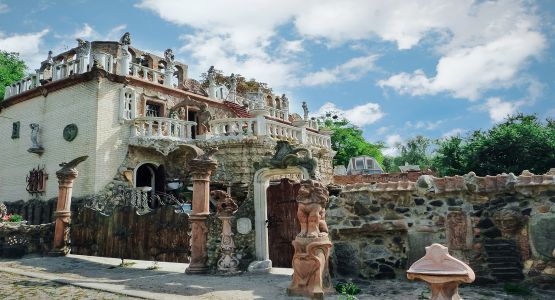
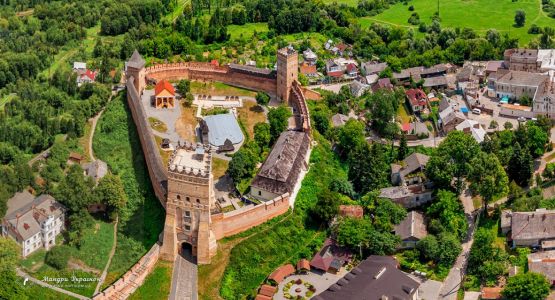
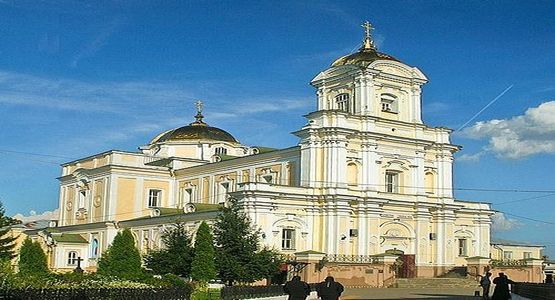
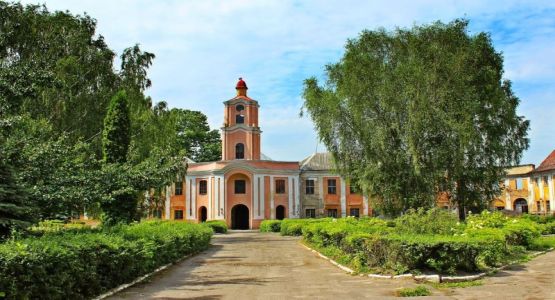
It is possible to familiarize with the rich historical and cultural inheritance of Volyn, visiting the Museum-Preserve “Cossack Graves”, Memorial Complex in the village of Zaturka, created in honour of Vyacheslav Lypynsky, Museum-Farmstead of Prominent Poetess Lesya Ukrayinka in the village of Kolodyazhne, Historical-Regional Museum and Museum of Volyn Icon in Lutsk. The museum under the open sky in the village of Rokyni acquaints with development of agriculture and wood architecture in Volyn Region. More than 150 monuments of architecture are counted in the region. Among them there are the Zagorivskiy Monastery (ХVІ century), Lutsk Castle (ХІV century), Assumption Cathedral in Volodymyr-Volynsky (ХII century), Castle-Palace Complex (ХVІ-ХVІІІ century) in the village of Olyka and many others. All of it is our spiritual inheritance, which we are to save and increase carefully.
Природно-рекреаційний потенціал: багатство Волині – озера (понад 220), найбільші з яких – Світязь, Пулемецьке, Турське, Лука. На Волині протікає 130 річок загальною протяжністю понад 3000 км. Ліси займають 649,1 тис га. В області 209 територій і об’єктів природно-заповідного фонду, зокрема Шацький природний національний парк (32515 га), 74 заказники, 107 пам’яток природи, 22 заповідних урочища, 5 парків-пам’яток садово-паркового мистецтва місцевого значення, ботанічний сад Волинського державного університету.
Адміністративно-територіальний розподіл: 16 районів.
Транспортна мережа: найбільший залізничний вузол – Ковель. По р. Стир здійснюється судноплавство місцевого значення. У Луцьку є аеропорт.
Історико-культурний потенціал: загальна кількість пам’яток історії, археології, містобудування і архітектури, монументального мистецтва – 837. На базі історико-культурного та архітектурного потенціалу створено Луцький державний історико-архітектурний заповідник. Найцікавішими є пам’ятки архітектури й археології періоду Київської Русі, зокрема Успенський собор (1160р.) у Володимирі-Волинському, Верхній замок ХІІІ–ХІV ст. у Луцьку, залишки храмів і житлових будівель (Х–ХІV ст.), фортечних валів (ХІІ–ХІІІ ст.), Георгіївська церква 1264 р. у Любомлі, Васильківська церква ХІІІ–ХІV ст. у Володимирі-Волинському, Покровська ХV ст. і Хрестовоздвиженська 1619 р., монастир єзуїтів 1539–1610 рр. і монастир тритаріїв 1729 р., Троїцький собор 1755–55 рр. у Луцьку; замок і Луцька брама 1630 р. в смт Олиці; залишки стін Нижнього замку ХІV–ХVІІ ст.; будинок Пузини ХVІ–ХVІІІ ст.
У музеях зберігається понад 200 тис. пам’яток матеріальної та духовної культури краю.
